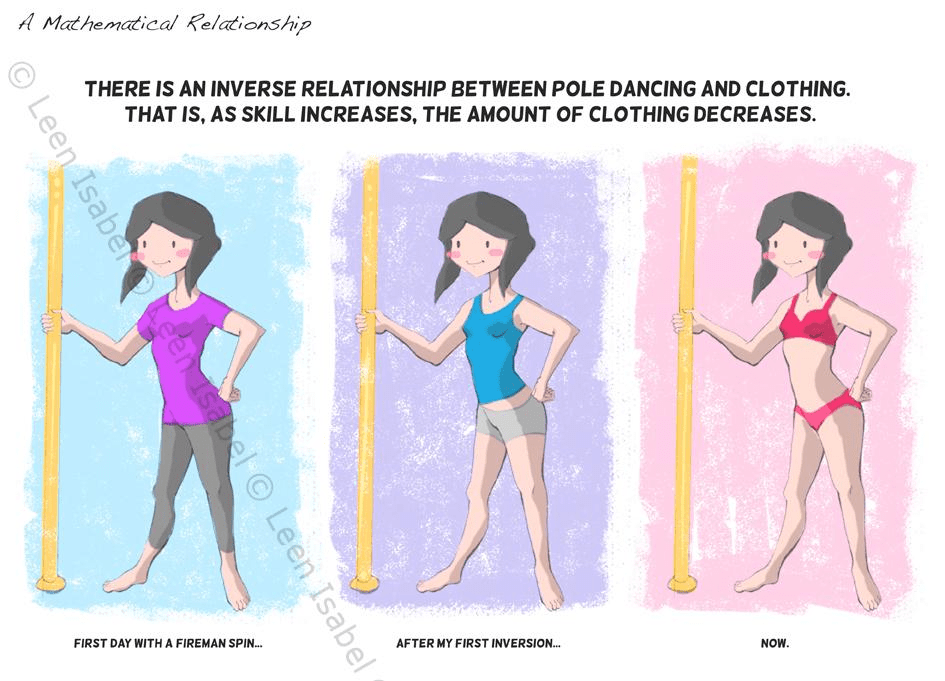
When people ask me what folks wear to my classes, I always think of that hilarious yet true Leen Isabel meme about the inverse relationship between how advanced students are and how little clothing they wear to class.
I think it’s because the super advanced, even pro, dancers are often the dancers putting out the most video and photo content, there’s a common misconception that *everyone* who does pole goes to class in a bikini.
Not true, and often quite unecessary — especially if you’re just starting out.
Why are Pole Dancers So… Bare?
Skin sticks! The more creative your holds are, the more skin you need exposed to hold you. That means you’ll likely want to have inner thigh and arms exposed as a beginner (pretty standard hold points), then waist, back of the shoulder, and even potentially some gluteal fold skin out and available for grip as an advanced student.
The good news is, there’s plenty of time to adjust and evolve what you wear to class as you build skills. So the real question is, what do you wear to your *first* pole class? What about a floorwork or choreo-focused class?
Let’s cover some general guidlines:
Opt for Fitted Clothing — Especially Shorts
Between a mat warm up, floorwork, spinning, climbing, and holds, you’ll want to avoid anything loose enough to fly up (or down, depending on your orientation!). This also ensures you won’t suddenly have cloth between you and the pole somewhere unexpected, like roomy shorts where the inseam moves around.
Wear Supportive Top/Bra That Allows for Movement
Pole is obviously lower impact than something like running, but a good sports bra is recommended to 1. allow for arms to move overhead without the bra (or contents of said bra) shifting around, 2. support and hold you right side up and upside down, 3. stay out of your way during movements like trap holds (ie. a racer style back vs. traditional shape).
Layer Up for Warm-Ups and Cool-Downs
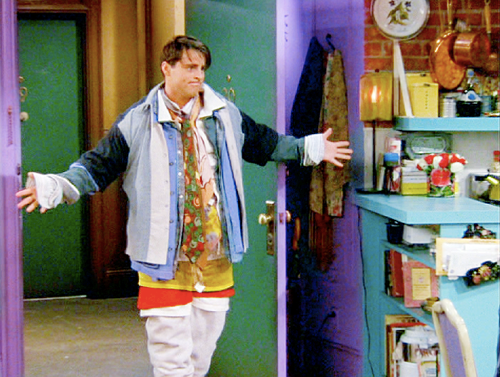
More experienced dancers are easy to spot in fitness classes of any times because they’re usually dressed a bit like Joey on that one episode of Friends where he wore… everything he owned? For some reason? But basically they know that layers=staying cozy and warm pre and post warm-up and cool down. They also offer plenty of coverage options for floorwork, preventing floor burn and providing a little slide.
Pick Breathable Fabrics with Stretch
Self explanatory, but you want to be able to move and you want sweat to evaporate.
Skip the Jewelry
Hopefully your instructor reminds you of this, but remove any dangly jewelry or accessories before getting on the pole. Rings, bracelets, or necklaces can scratch or damage the pole’s surface, or rough up your skin. Even silicone watches can stick during spins and cause a lot of discomfort.
Go Barefoot, but Bring Socks (or Pleasers… or Both)
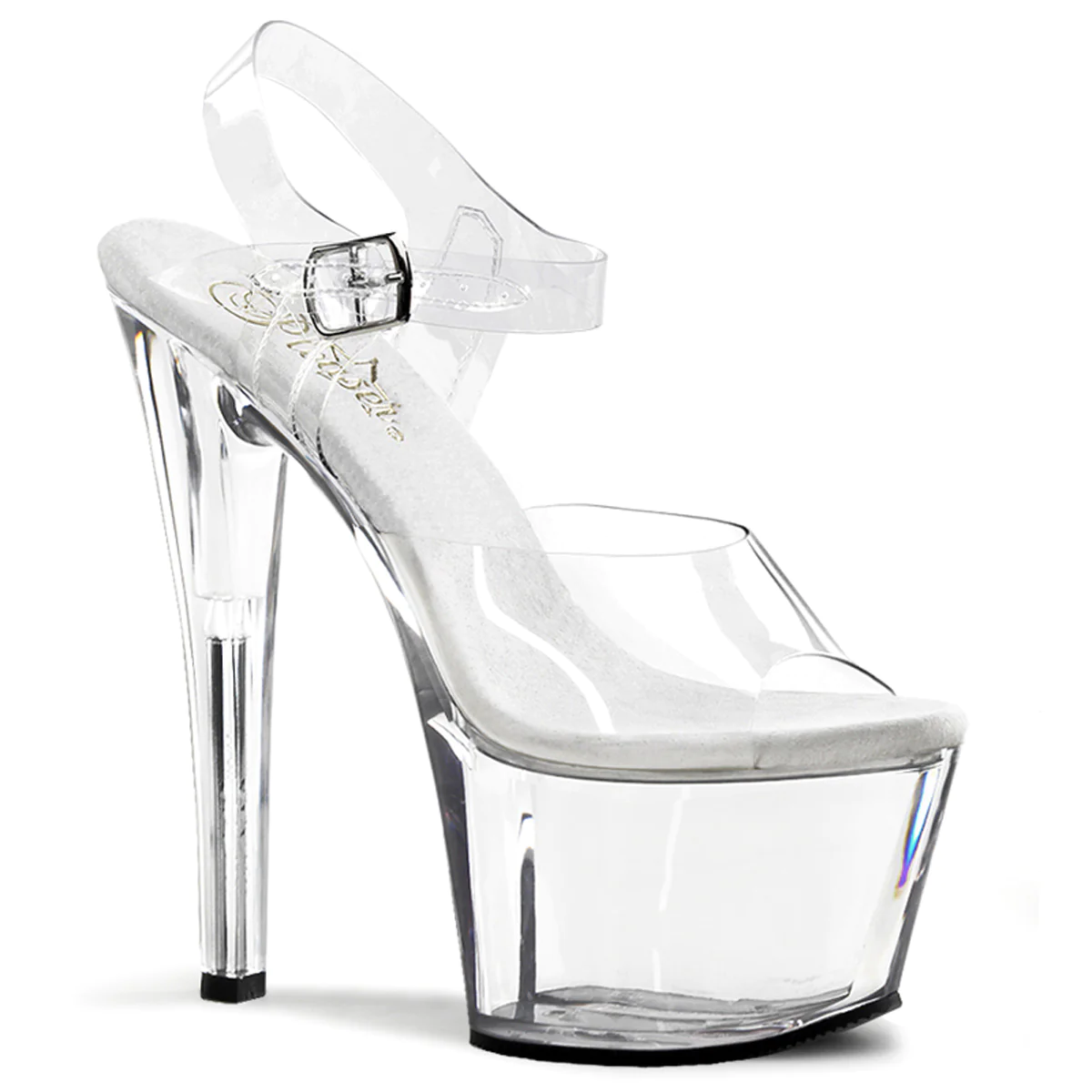
If you’re just starting out, plan to go barefoot for your first few classes, but have socks on hand in case your feet get uncomfortable during high-friction pivot or slide moves. Trying about a heels class? It’s a really good idea to wear something specifically designed for pole, like Pleasers. They’re build very differently from street shoes, and frankly, you may destroy your special occasion heels sliding around on the floor in them. In any case, if there’s any doubt about footwear, try new moves barefoot first.
When in Doubt: Ask!
Depending on the style the studio or class teaches, any special focuses (choreography, heels, floorwork, lyrical or exotic style), expected clothing can vary. It doesn’t hurt to simply ask the front desk person or shoot an email to the studio asking what students tend to wear to the class you’re going to take. With all the new class jitters that can come up for trying something different, knowing you’re dressed for success can be a huge confidence booster and is well-worth the extra planning (or shopping!) effort.
Conclusion: Don’t Buy a Whole New Wardrobe
So, what’s your go-to pole outfit? Mine is absolutely yoga pants layered over black mini fitted shorts, and a fitted racer tank under a comfy short sleeve, long sleeve, or even sweatshirt, depending on the weather. And chances are… you own all of these things already!
That’s not to say you can’t invest in some new pieces, especially after you’ve got a few classes under your belt. I’ve tried a lot of brands over the years, and I’m pretty loyal to secondhand Lululemon now. I find myself adjusting it way less during class, feeling dry and comfy on my way home from class, and seeing it look nicer for longer through lots of wash cycles. But even used, it’s pricey, and if you buy it before you understand what you need or like to wear to class, you may get stuck with super pricey but useless mid-length shorts, or a long sleeve you take off .5 minutes into class.
Whatever you wear, I encourage you to shop second hand as much as possible. Athletic wear takes forever to degrade in the landfill, generally holds up longer through many uses, and there’s TONS of it available at your local thrift store or online, on sites like Poshmark, eBay, or ThredUp. Starting small with a few thrifted items, or even better, whatever you already own, is a sustainable way to dip a toe into dressing for a new activity.
Okay okay, that’s my TED Talk, thanks for coming to it! Whatever you wear, wear it proudly, and remember to have fun!
XOXO,
Cathy
 The Spin Diaries: Your Guide to Everything Pole and Aerial