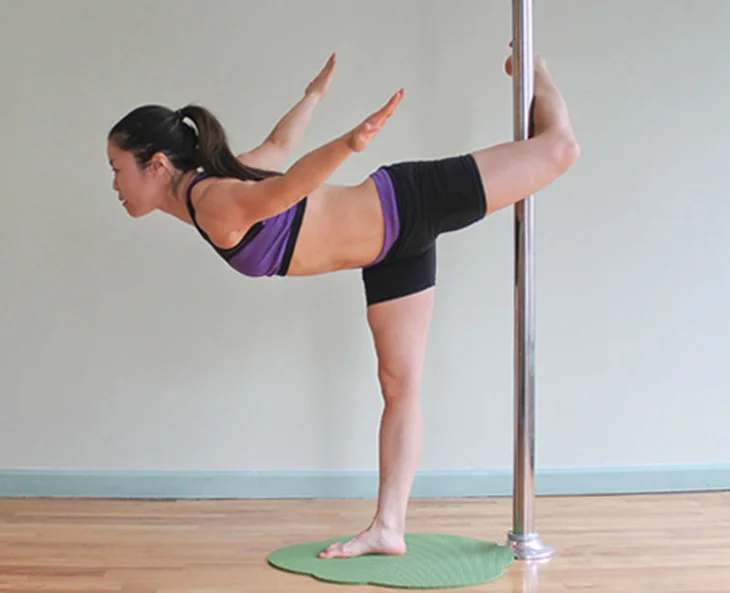
I’m currently wrapping up my 200 hour yoga certification and I was struck by what one of my instructors mentioned was a weakness of yoga: it covers just about every general kind of body movement except for “pulling.”
Reader, I choked on my coffee.
I was trying to figure out what it is about yoga that has been so helpful to my (oft injured) pole shoulders. The stretching? The moving of the spine in all 6 directions? (Forward/back bending, twisting to both sides, lateral bends to both sides). Y’all, it’s the pushing!
Here’s the thing about pole: it’s a lot of pulling. That’s totally fine, but since many of us spend our day in a n anteriorly-flexed position (ie. hunched over our computers, tight in the pecs, rounded in the back, hinged at the hips), layering *strengthening* those front flexors and “pulling” muscles only increases existing imbalances.
If you can take regular yoga classes to supplement your pole training, I highly recommend it. But you’ll also get tons of benefit from practicing a few keys poses at home–or heck, even as a cool down for pole work. Here are my top recommendations for beginner/intermediate pole dancers.
Bridge Pose
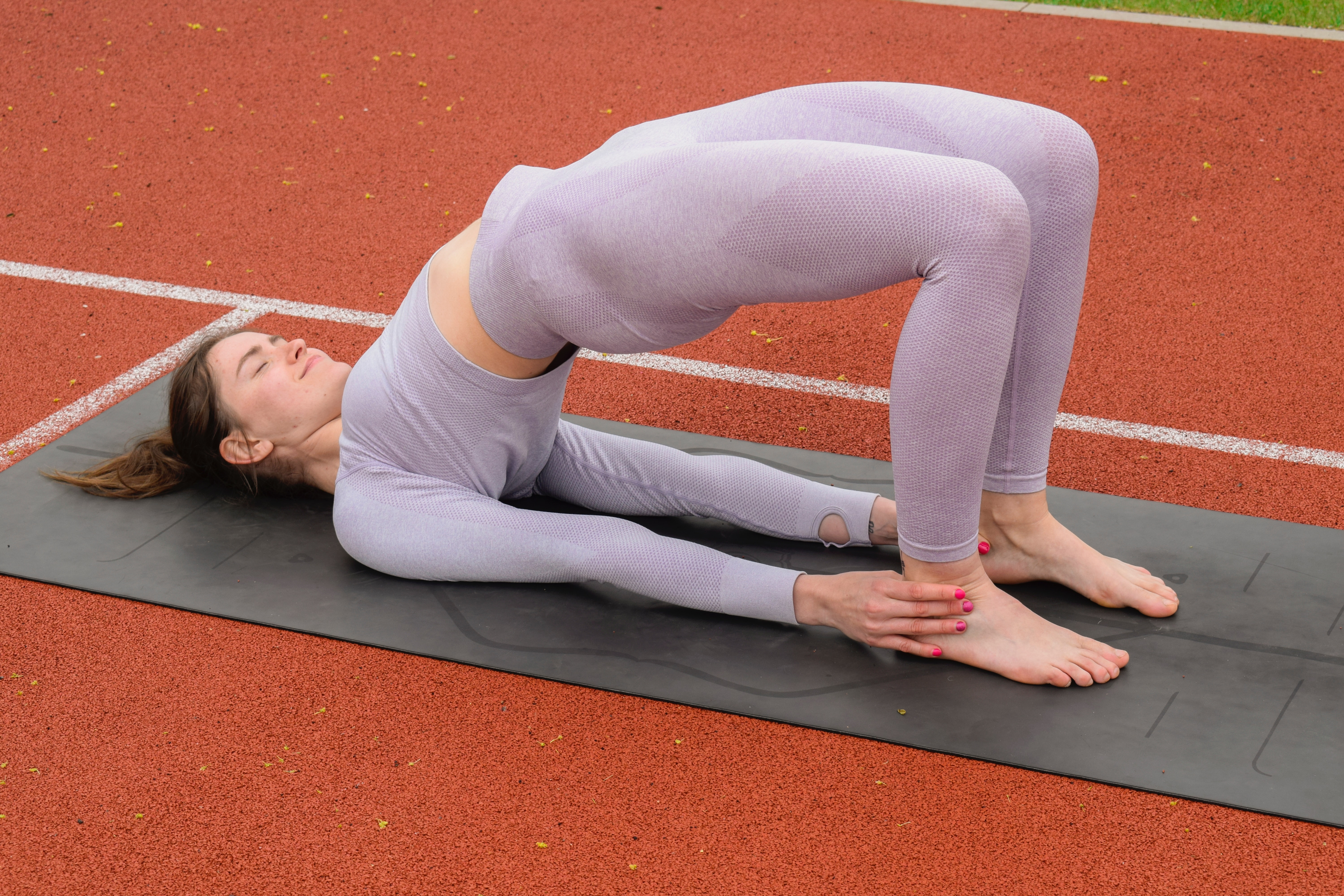
Bridge Pose, also known as Setu Bandha Sarvangasana, is a beneficial yoga pose that offers a variety of benefits for the body. Here are some of the key benefits of practicing Bridge Pose:
–Strengthening the back and glutes: Bridge Pose primarily targets the muscles of the back, including the erector spinae, gluteus maximus, and hamstrings. By engaging these muscles, Bridge Pose helps strengthen and tone the posterior chain, promoting better posture and stability.
–Opening the chest and shoulders: As you lift your chest towards the ceiling in Bridge Pose, it helps to open and expand the chest, stretching the muscles in the front of the shoulders. This can be particularly beneficial for individuals who spend a lot of time seated or hunched over a desk… or pole.
–Activating the core muscles: Bridge Pose activates the abdominal muscles, including the rectus abdominis and transverse abdominis–aka your invert muscles! This engagement supports the spine and helps improve overall core strength and stability.
-Improved flexibility and mobility: Practicing Bridge Pose can help improve the flexibility and mobility of the spine, hips, and quadriceps. It encourages the gentle stretching and lengthening of these areas, promoting better range of motion.
Bonus Benefits:
-Relieving back pain: Strengthening the posterior chain and providing a gentle stretch to the spine can help alleviate tension and discomfort in the lower back. If you get a spasmy lower back during ab exercises, this one’s for you.
–Calming the mind and reducing anxiety: Like many yoga poses, Bridge Pose can have a calming and therapeutic effect on the mind. It can help alleviate stress and anxiety, promoting a sense of relaxation and emotional well-being.
Locust Pose/Variations
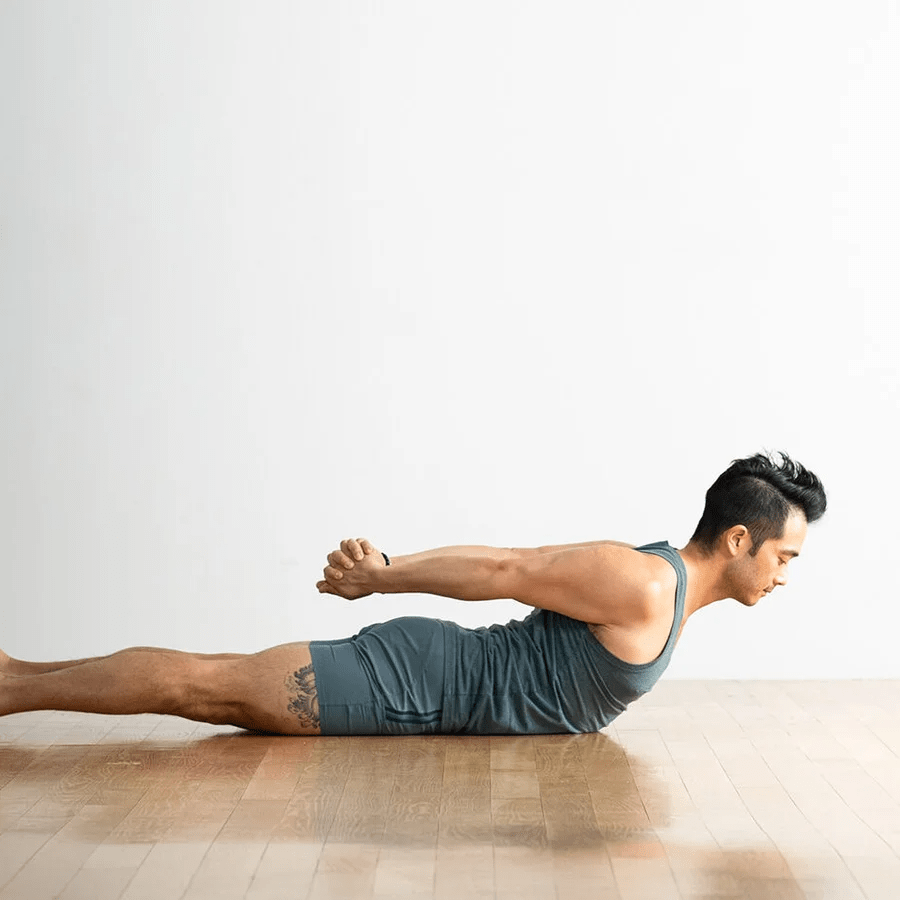
Locust Pose, also known as Salabhasana, is a powerful yoga pose that offers numerous benefits for the body. Here are some of the key benefits of practicing Locust Pose:
–Strengthens the back muscles: Locust Pose primarily targets the muscles of the back, including the erector spinae, rhomboids (!! these are so great to target!), and trapezius (including lower–especially tough to target and key to healthy poling and posture).
–Improves core strength: In Locust Pose, the abdominal muscles, including the rectus abdominis and transverse abdominis, are engaged to support the lift.
–Stretches the shoulders and chest: As you lift the chest and extend the arms backward in Locust Pose, it helps to stretch and open the shoulders and chest. Again, this is a great counteracting pose for the rounded posture often associated with modern lifestyles and a regular pole practice.
–Enhances flexibility and mobility: Practicing Locust Pose can help improve the flexibility and mobility of the spine, hips, and legs. It encourages the gentle stretching and lengthening of these areas, promoting better range of motion and relieving stiffness.
–Tones the glutes and legs: By lifting and extending the legs off the ground, Locust Pose engages and strengthens the gluteal muscles, hamstrings, and quadriceps.
Bonus Benefits:
–Improves digestion: The gentle compression of the abdomen in Locust Pose can stimulate the digestive organs, enhancing digestion and relieving constipation (though hopefully not during class).
–Boosts energy and reduces fatigue: Locust Pose is known for its invigorating and energizing effects. Practicing this pose can help combat fatigue, and stimulate ciruclation.
–Develops focus and concentration: Holding Locust Pose requires focus and mental engagement. Regular practice can help improve concentration and cultivate a state of calm awareness that will come in handy during the inner thigh screaming pain of Superman (heh).
Reverse Table Pose
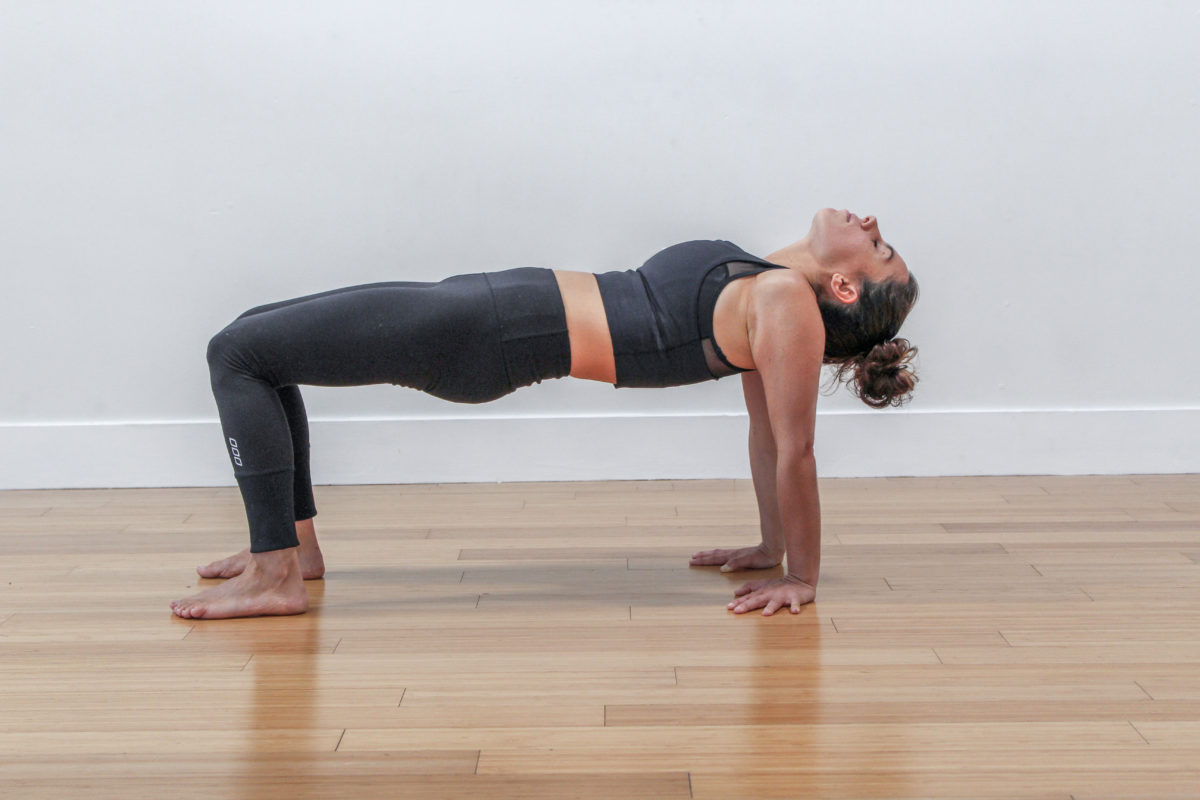
Reverse Table Pose, also known as Ardha Purvottanasana, offers various benefits for the body. Here are some of the key benefits of practicing Reverse Table Pose:
–Improves upper body strength and flexibility: Reverse Table Pose strengthens the muscles in the upper body, including the arms, wrists, and shoulders. It also stretches the chest and shoulder muscles, promoting flexibility in these areas.
–Opens the chest and shoulders: By lifting the chest and rolling the shoulders back, Reverse Table Pose helps to open and expand the chest–a perfect counterpose for the rounded shoulder-pulling nature of pole work.
Stretches the front of the body: Reverse Table Pose stretches the muscles in the front of the body, including the abdomen and hip flexors. This can help alleviate tightness in these areas and improve overall posture.
Improves posture: By strengthening the muscles of the upper back and opening the chest, Reverse Table Pose can help improve posture. It encourages a more upright and open alignment of the spine.
Increases spinal mobility: Practicing Reverse Table Pose involves backward bending of the spine, which can help increase spinal mobility and flexibility. This can contribute to a healthier and more supple spine.
Bonus Benefits:
Energizes the body: Reverse Table Pose is known to provide an energizing effect on the body. It can help combat fatigue and invigorate both the body and mind. Sure, we’ll take it!
Chair/Revolved Chair Pose
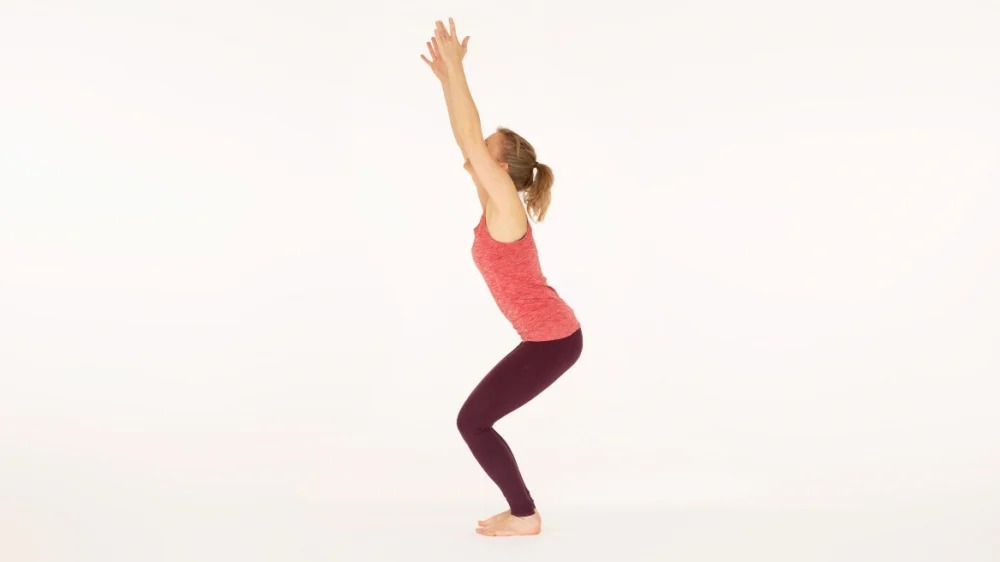
Chair Pose, also known as Utkatasana, offers numerous benefits for the body. Here are some of the key benefits of practicing Chair Pose: (Note: if you feel that you *hate* this pose, that’s a very strong indicator that you can stand to benefit from it!).
–Strengthens the legs and glutes: Chair Pose primarily targets the muscles of the legs, including the quadriceps, hamstrings, and calves. By holding the pose, these muscles are engaged, helping to strengthen and tone them. This can lead to improved stability and balance.
–Activates the core muscles: Chair Pose activates the muscles of the core, including the abdominals and the muscles along the spine.
–Improves posture: By encouraging an upright and aligned position, Chair Pose helps improve posture. It strengthens the muscles in the back and shoulders, promoting better spinal alignment and reducing the tendency to slouch.
–Stretches the shoulders and chest: As you reach your arms overhead in Chair Pose, it helps to stretch and open the shoulders and chest.
-Enhances balance and coordination: Balancing in Chair Pose requires concentration and stability, which can help improve balance and coordination over time. Regular practice can strengthen the muscles involved in balancing and improve overall body awareness.
Bonus Benefits:
–Stimulates the cardiovascular system: Holding the pose and engaging the large muscles of the legs can increase the heart rate, providing a cardiovascular benefit. This can help improve cardiovascular health and endurance.
Upward Facing Dog/Cobra Pose
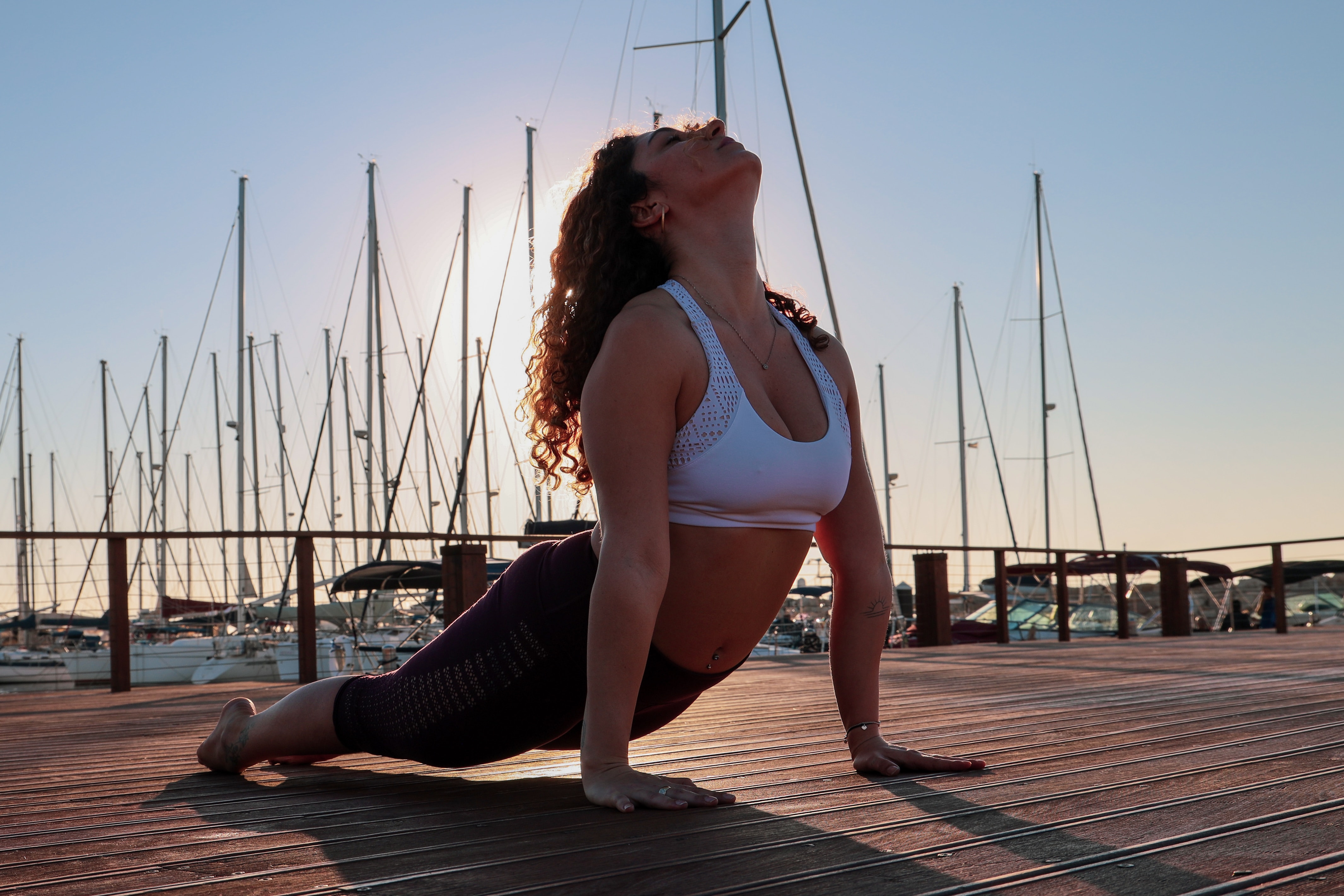
Upward Facing Dog Pose, also known as Urdhva Mukha Svanasana, offers numerous benefits for the body. Here are some of the key benefits of practicing Upward Facing Dog Pose:
–Strengthens the arms, wrists, and shoulders: As you press your palms into the ground and lift your chest, Upward Facing Dog Pose helps to strengthen the muscles in the arms, wrists, and shoulders. This can improve overall upper body strength and stability.
–Stretches the chest and abdomen: By opening the front of your body and lifting your chest towards the ceiling, Upward Facing Dog Pose stretches the muscles in the chest and abdomen.
–Improves posture: By stretching and strengthening the muscles in the upper back, Upward Facing Dog Pose helps improve posture. It encourages a more upright alignment of the spine and shoulders, reducing the tendency to slouch.
–Improves spinal flexibility: Practicing Upward Facing Dog Pose involves extending the spine, which can help improve spinal flexibility and mobility. It stretches the entire length of the spine, from the tailbone to the neck, promoting a healthier and more supple back.
Bonus Benefits:
–Energizes the body: Upward Facing Dog Pose is known for its invigorating and energizing effects. The pose can help increase circulation and stimulate the nervous system, providing a boost of energy and vitality.
-Relieves mild back pain: Upward Facing Dog Pose can help relieve mild back pain by gently stretching and strengthening the muscles in the back. It can provide relief from discomfort caused by tightness or stiffness in the back muscles.
A few more great poses to try out in no particular order:
- Reverse Prayer: Reverse Prayer, also known as Paschima Namaskarasana, stretches the wrists, shoulders, and chest, opens the front body, improves posture, and enhances flexibility in the upper body.
- Supine Snow Angel Pose: Supine Snow Angel Pose, also known as Supta Swastikasana, opens the shoulders and chest, stretches the spine, improves flexibility, and promotes relaxation. Reclining Back Bend Over Block opens the chest and shoulders, stretches the front body, promotes relaxation, and improves posture.
- Bow Pose: Bow Pose, also known as Dhanurasana, strengthens the back muscles, opens the chest and shoulders, stretches the front body, and improves flexibility and balance.
- Goddess Pose Squat: Goddess Pose, also known as Utkata Konasana, strengthens the legs, opens the hips and chest, improves balance, and tones the core muscles. Add cactus arms, and you’ll get chest opening and back strengthing.
- Fallen Triangle Pose Variation: Fallen Triangle Pose Variation provides a deep stretch for the hamstrings, hips, and shoulders, improves balance and flexibility, strengthens the legs and core, and enhances overall body awareness.
Remember: before attempting any of these or other yoga poses, it’s important to warm up your body and prep it for challenging movement. Try a few rounds of cat/cow and some half sun salutations to get the blood flowing first. And even better: take a class with a qualified teacher! There’s no beating live instruction for a safe pose sequence, form correction, and just-turn-off-your-brain-and-move guidance.
Happy moving!
-Cathy
 The Spin Diaries: Your Guide to Everything Pole and Aerial